Bau Browser
Agentic Browser · a local-first desktop where users control private data and agent authority
Built with TypeScript · Electron · MCP · Qwen3.5-4B · SQLite
WHY
Chrome felt heavier and less controllable than the browsing workflow I wanted, and adding an agent raised a second problem: users could not easily see where browsing data went or which actions the agent was allowed to take. I wanted a desktop browser that kept personal data local and made agent permissions, approvals, and execution records visible to the user.
Correct action and arguments on new-domain tasks
User-defined origin and action scope enforced
Recovery and verification cases passed
HOW
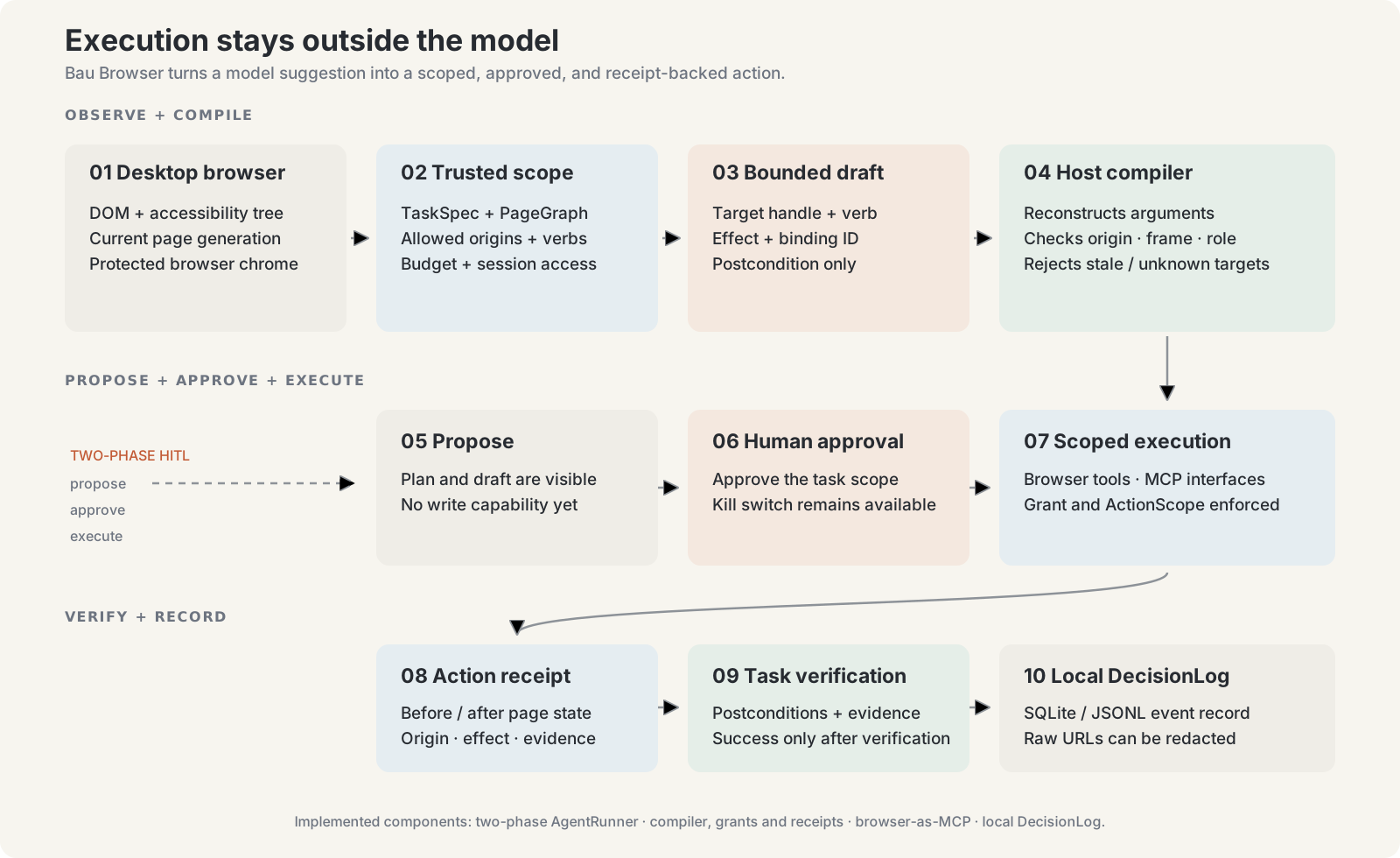
The model proposes identifiers; the host owns executable authority
The browser keeps page understanding, action compilation, user approval, execution, and audit records as separate contracts.
- 01 Observe
Build a PageGraph and TaskSpec from the active origin without granting an action yet.
- 02 Bound draft
Let the local model choose trusted target, verb, effect, and binding identifiers, not raw executable values.
- 03 Compile and approve
Reconstruct arguments from host-owned bindings, validate scope, and show the proposed action to the user.
- 04 Execute and receipt
Run only the approved action, verify postconditions, and write receipts and the DecisionLog.
RESULT
Contribution
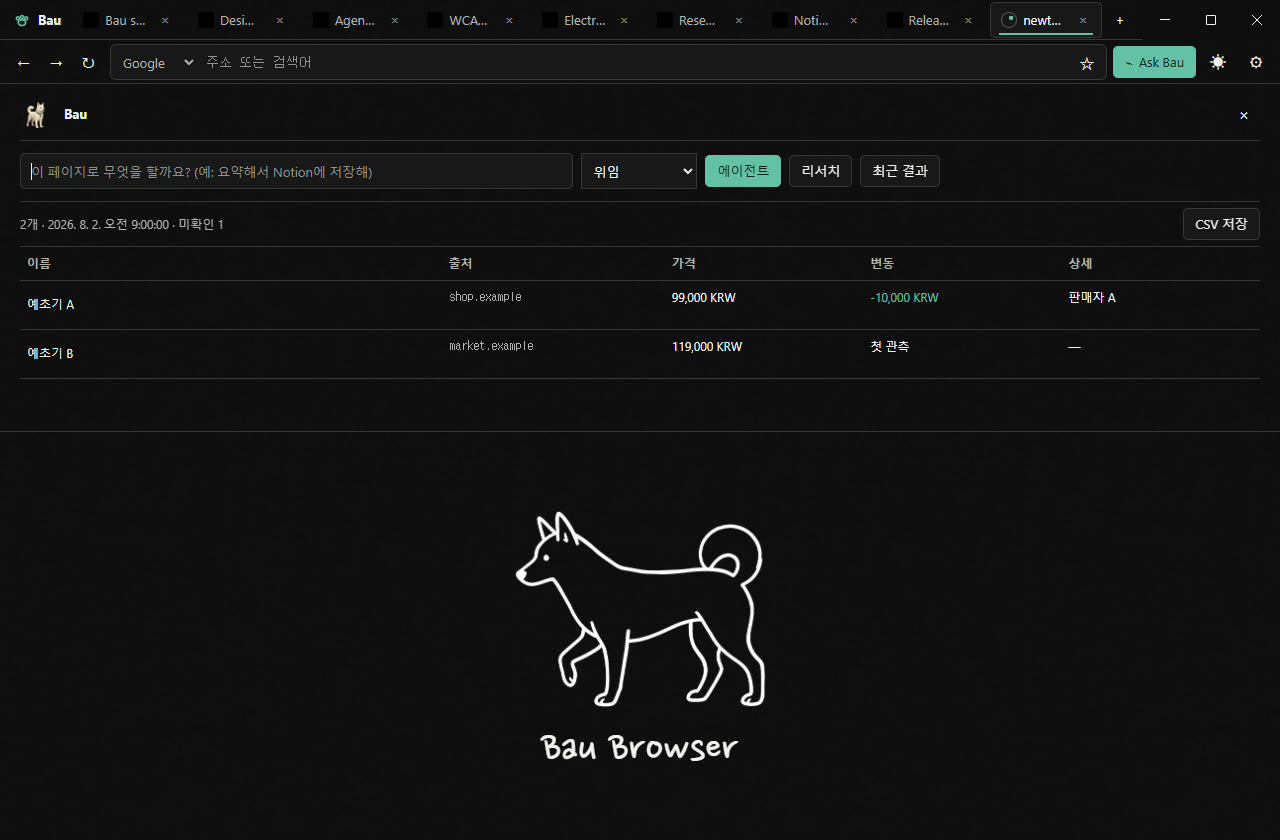
- Built the Electron browser surface, scoped agent contracts, host compiler, two-phase HITL, MCP boundary, receipts, postconditions, and SQLite decision log.
- Designed and trained the compact Qwen3.5-4B bound-draft pilot, then evaluated the frozen 36-case synthetic gate across exactness, compilation, binding, safety, and forbidden actions.
Evidence
Private project